Ranveer Singh Kantara controversy intensifies as Rishab Shetty reacts to the viral Daiva mimicry video.
Published on: December 2, 2025 at 20:56
The Ranveer Singh Kantara Controversy has suddenly become the internet’s hottest topic — and for all the shocking reasons. What looked like a harmless, fun mimicry attempt by Ranveer during an event has now turned into a cultural debate, a viral video storm, and even a police complaint by a Hindu outfit in Goa.
The incident has triggered emotions around faith, artistic sensitivity, creative freedom, and the portrayal of Daiva/Bootha Kola traditions, which Kannada culture considers sacred.
In this blog, I break down everything — what happened, why Rishab Shetty reacted the way he did, why Ranveer apologised, and what this controversy really means for cinema and cultural respect.
Ranveer Singh Kantara Controversy Explained: How a Fun Moment Became a Firestorm
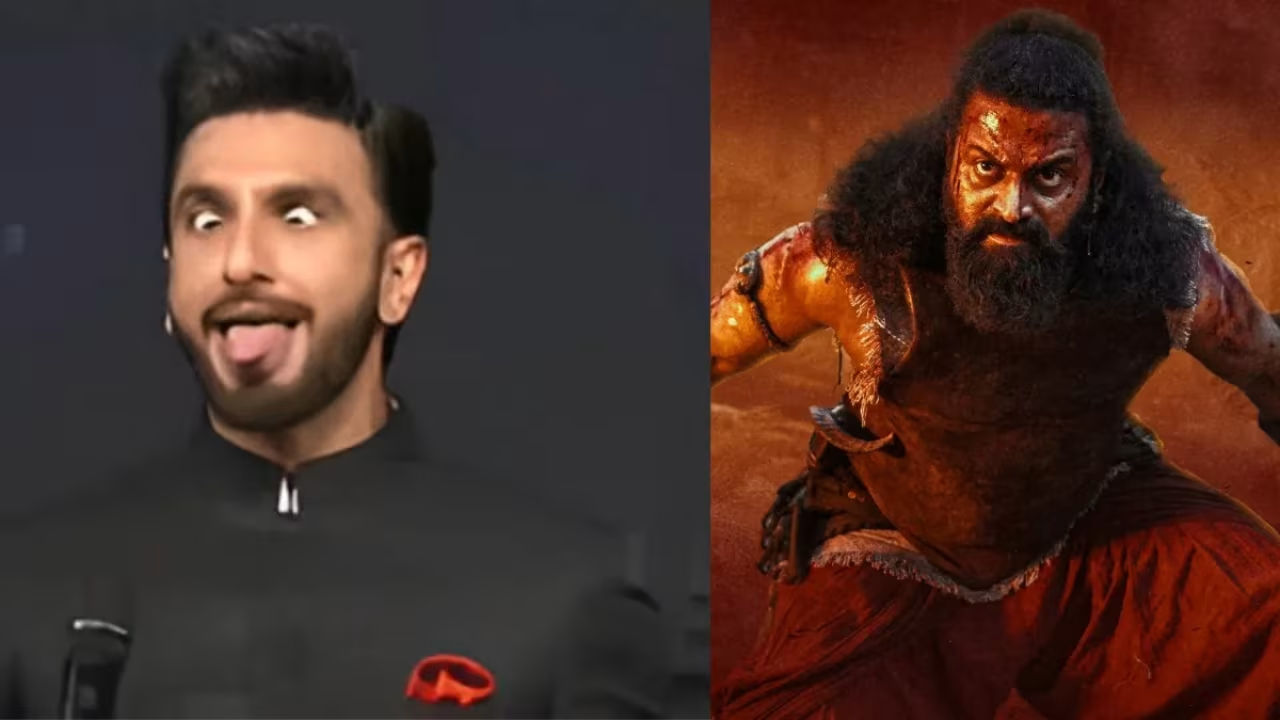
The Ranveer Singh Kantara controversy began when a clip went viral from an event where Ranveer was asked to mimic an iconic scene from Kantara — specifically the intense Daiva/Chavundi portrayal delivered by Rishab Shetty.
Ranveer, being a high-energy performer, attempted a dramatic recreation.
But the moment he did it, Rishab Shetty — sitting in the audience — signaled a calm ‘NO’ with his hand, showing he wasn’t comfortable with the reenactment.
This single gesture became:
-
a viral meme,
-
a Twitter/X debate,
-
and eventually a matter of “disrespect to sacred rituals.”
Later, a Hindu outfit in Goa even submitted a complaint, claiming that the Daiva portrayal is not entertainment but a spiritual ritual, and imitating it casually is “disrespect.”
The backlash spread instantly, proving again how quick the online world is to react — sometimes even before understanding context.
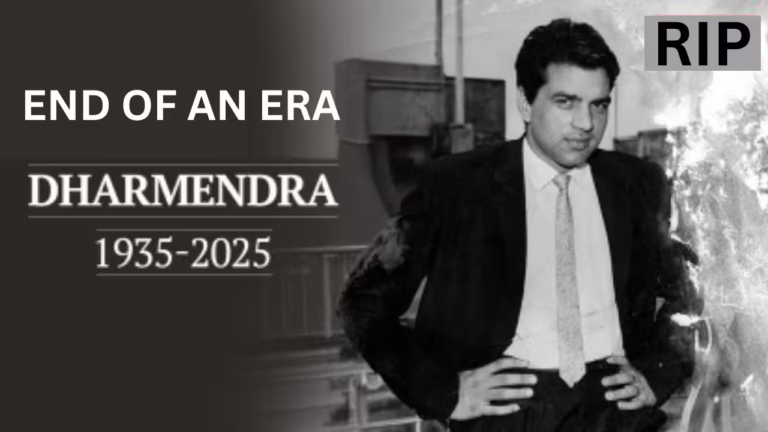
ALSO READ: Bollywood’s He-Man Dharmendra Dies at 89: The End of an Era That Defined 6 Decades of Cinema
Why Rishab Shetty Reacted Immediately: Understanding the Cultural Weight of the Daiva Scene
To understand why the Ranveer Singh Kantara Controversy blew up, we must understand the meaning behind the scene.
The Daiva portrayal in Kantara is not a fictional creation — it is rooted in the Bootha Kola tradition of coastal Karnataka, a ritual performed with deep devotion, ancestral connection, and cultural belief.
For many communities:
-
Daiva is not “acting” — it is divine possession.
-
The performer is treated with respect as a medium of God.
-
Every gesture, step, and expression carries spiritual weight.
So when a Bollywood star mimicked it casually on stage for entertainment, even with good intentions, it understandably touched a sensitive spot.
This is likely why Rishab Shetty gently signaled “no” — not to insult Ranveer but to remind everyone of the sanctity of the ritual.
This reaction showed:
-
cultural depth
-
emotional connection
-
and artistic responsibility
Something mainstream Bollywood sometimes overlooks.
Ranveer Singh’s Apology: What He Said & Why It Calmed the Storm
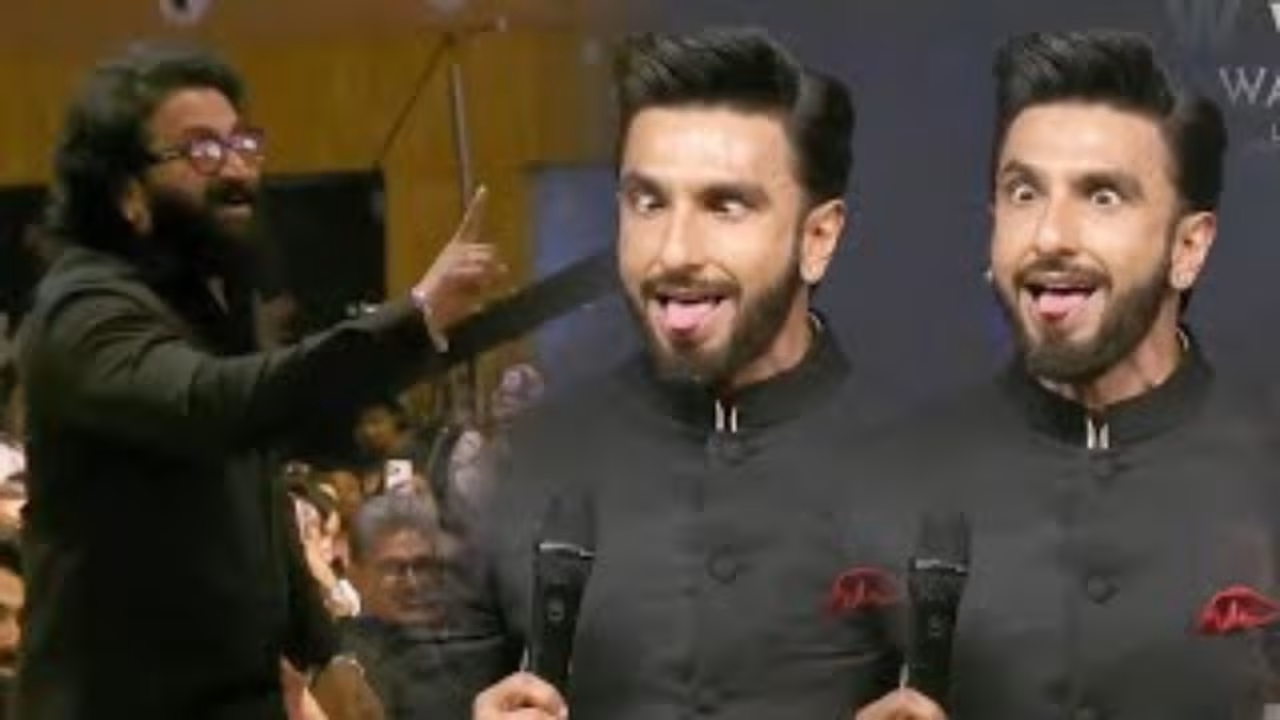
After the video exploded online, Ranveer was quick to respond.
He shared a public statement:
“My intention was only to highlight Rishab Shetty’s incredible performance. I respect the culture deeply. If anyone felt hurt, I am sorry.”
This apology softened the narrative and showed maturity.
What stands out is that Ranveer acknowledged:
-
the cultural importance,
-
the emotions involved,
-
and the need to respect sacred performances,
even as an actor who loves expressing himself freely.
The apology also highlights a bigger truth:
Modern entertainers are expected to balance creativity with cultural sensitivity, especially in a diverse country like India.
ALSO READ: Fan Dresses Up as Zomato Guy to enter Shah Rukh Khan’s Mannat — Internet Can’t Stop Laughing
My Personal Take — What This Controversy Really Teaches Us
The Ranveer Singh Kantara controversy is not just about mimicry — it is about awareness.
As creators, artists, and even viewers, we must understand:
-
Some art forms are entertainment.
-
Some are devotion.
-
And some are identity.
Ranveer’s gesture wasn’t malicious, and Rishab’s reaction wasn’t dramatic — both sides responded with dignity. The real issue is how quickly the internet escalated it.
My personal belief?
This controversy should encourage Bollywood, influencers, and creators to research cultural elements before presenting them, especially rituals tied to faith and tradition.
India’s diversity is a strength — but only when treated with respect.
About the Author