


Published on: December 1, 2025 at 19:50
The conversation around AI replacing human jobs has shifted from distant speculation to an urgent global discussion. A growing number of studies now warn that up to 3 million jobs could be at risk by 2035, especially in sectors not traditionally associated with automation. Combine this with frustrated youth movements, declining interest in “dream jobs,” and tech-driven layoffs—and you get a major shift in how society views work.
As someone who closely tracks technological trends and speaks regularly with young professionals, I’ve noticed the same pattern everywhere: excitement mixed with uncertainty. This blog breaks down what’s truly happening, why certain sectors are under threat, and what today’s workforce can do to stay ahead.
The Sectors Most Likely to Take a Hit as AI Adoption Accelerates

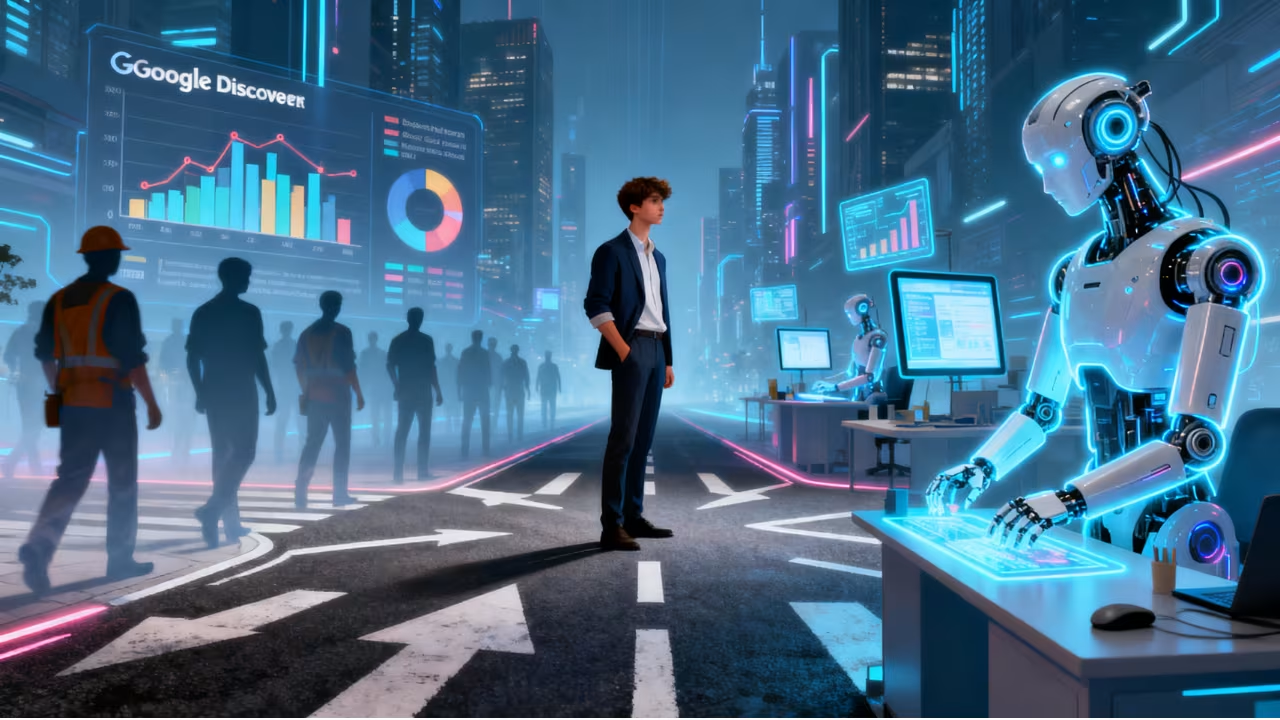
The fear of AI taking over isn’t just based on hype—its adoption is growing faster than many industries can adapt. But not all sectors face equal risk. Some are more exposed because their daily tasks are repetitive, data-heavy, or easily automated.
1. Administrative & Back-Office Roles
These roles involve tasks like data entry, scheduling, invoice processing, and documentation—functions that AI tools now handle more efficiently. Companies increasingly prefer automation because it reduces errors and cuts operational costs.
2. Retail & Customer Service
AI chatbots and self-checkout systems are rapidly replacing human interactions. Even small businesses are adopting AI assistants to handle customer queries, returns, and basic troubleshooting. The shift is subtle but steady.
3. Media, Content, and Marketing
Ironically, creative fields are not immune. AI now drafts copy, analyzes audience behavior, generates images, and even edits videos. While humans still provide emotional depth, many low-level content tasks are being automated.
4. Manufacturing & Logistics
Robotics and AI-driven process automation are more efficient than ever. Smart warehouses, predictive maintenance, and automated production lines mean fewer hands are needed on the factory floor.
These transformations don’t spell doom—but they signal the need for rapid skill adaptation.
ALSO READ: Why Is Amazon Hiring 250,000 People in Rural America This Holiday—And What Does It Mean for You?
Why Gen Z Is Abandoning the Idea of “Dream Jobs”
Recent trends show that Gen Z is increasingly skeptical about the concept of a stable, lifelong dream career. And honestly, who can blame them?
1. Job Stability Feels Like a Myth
Frequent layoffs—especially in tech—have shaken trust in “safe” careers. When even high-paying jobs are vulnerable to automation, younger workers seek flexibility instead of fantasies.
2. AI Is Reshaping Skill Demands Too Fast
What was a top-tier digital skill five years ago may be automated today. This pace makes long-term planning extremely difficult for young professionals just entering the workforce.
3. Mental Health & Burnout Are Real Concerns
Gen Z prioritizes work-life balance. They see older generations sacrifice wellbeing for career titles—only to watch companies replace them when convenient. This shift has redefined what “success” truly means.
4. Passion Doesn’t Always Pay Bills Anymore
In a rapidly changing world, many young workers choose pragmatic survival skills over “passion careers,” especially when living costs rise faster than salaries.
The dream job isn’t disappearing—it’s being redefined.
The Global Tension—Youth Protests, Layoffs & Fear of Future Work
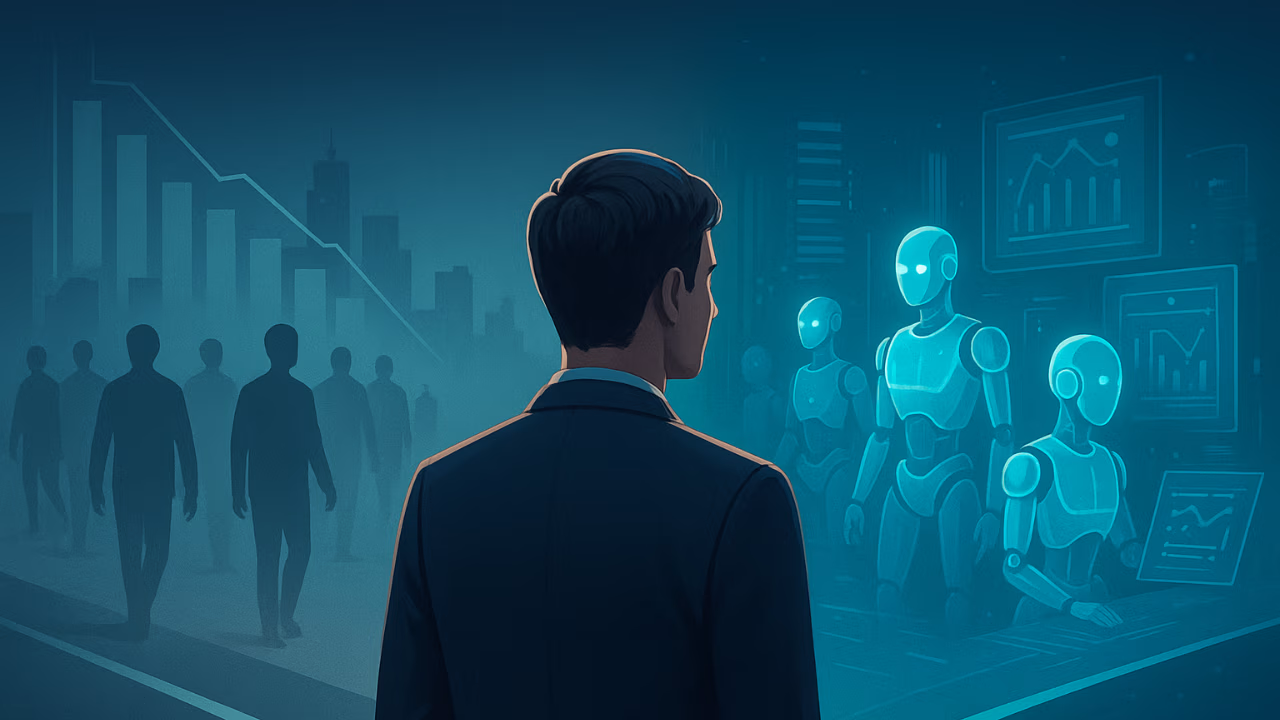
Recently, we’ve seen more young people take to the streets demanding fair opportunities, job security, and government transparency around employment policies. Mass layoffs paired with announcements about AI replacing millions of jobs only heighten this tension.
1. Layoffs Are Increasingly Linked to Automation
Companies cite “operational efficiency” while simultaneously adopting AI tools that make human roles redundant. It sends a clear message: the future of work is being shaped by technology faster than labor systems can adjust.
2. Governments Are Under Pressure
Youth unemployment is rising globally, putting pressure on policymakers to introduce protections, reskilling programs, and AI governance frameworks to ensure economic fairness.
3. Workers Feel Left Behind
Many employees feel unprepared for the AI era—through no fault of their own. Skills training is often expensive, inaccessible, or outdated. This gap fuels frustration and fear.
4. The Need for Human-Centered Digital Transformation
For society to move forward, AI adoption must prioritize people:
-
Better upskilling programs
-
Ethical AI use
-
Job transition support
-
Human oversight on automated systems
The future isn’t just about innovation—it’s about inclusion.
ALSO READ: Maharashtra Mega Recruitment 2025: 75,000+ Government Jobs Opening Soon – Apply Now!
As someone who observes both the opportunities and anxieties surrounding AI, I believe this moment is both a warning and a chance. Yes, millions of jobs may be at risk—but millions of new roles will also emerge. The key is adaptation, learning, and awareness.
If you’re a young professional: stay curious, stay flexible, and don’t be afraid to reinvent your skillset.
If you’re a business leader: put people first, because technology is only as powerful as the humanity behind it.
If you’re simply concerned about the future: you’re not alone. We’re all learning to navigate this transformation together.
The world of work is changing—but with the right mindset, we can change with it.