


Published on: September 22, 2025 at 16:26

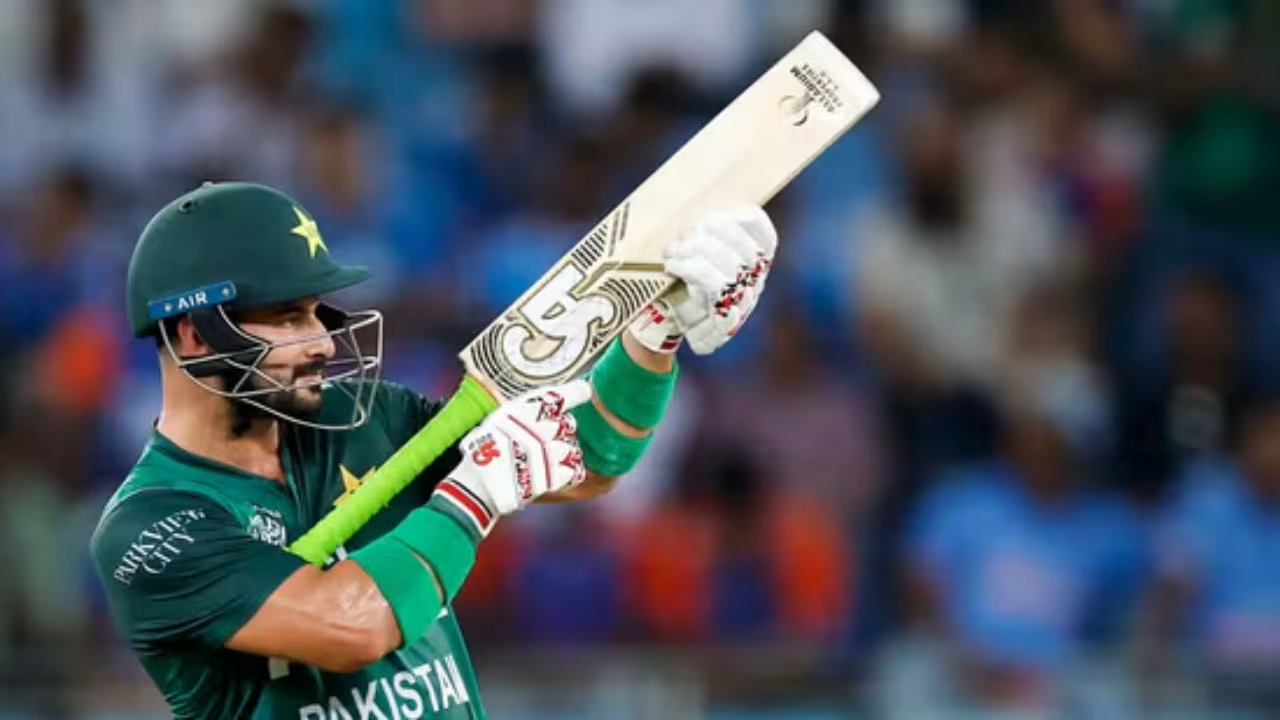
Few cricketing moments ignite emotions like an India vs Pakistan clash — but this time, the conversation has moved far beyond runs and wickets. In the latest high-stakes encounter, Pakistani batter Sahibzada Farhan celebrated a key moment with a controversial AK-47 firing gesture, sparking outrage across social media and political circles. What was meant as a victory expression has now turned into a full-blown political and cultural debate, with fans divided over whether Farhan’s act was a harmless celebration or a provocative statement.
This blog breaks down what actually happened, how Farhan responded with his bold “Mujhe Parwah Nahi” comment, and why this single gesture has triggered boycott calls and diplomatic discussions beyond the cricket field.
The Viral Gesture That Sparked Outrage
The high-voltage clash between India and Pakistan is never just about cricket — it’s about pride, politics, and passion. During the most recent IND vs PAK match, Pakistani batter Sahibzada Farhan found himself at the center of a major controversy after he celebrated a crucial moment by mimicking an AK-47 firing gesture.
What might have been a spontaneous celebration quickly escalated into a political flashpoint. Fans across India called the gesture provocative and disrespectful, while social media platforms were flooded with demands for an apology and even boycott calls. The incident trended worldwide within hours, with hashtags like #BoycottPAKCricket and #SahibzadaFarhan dominating X (formerly Twitter).
For many, this was more than just a celebration — it was seen as a symbol loaded with political undertones, particularly given the sensitive history between the two nations.
Also Read: Messi in India Confirmed — Argentina’s Kerala Friendly to Make History This November 2025
Farhan’s Defiant Response: “Mujhe Parwah Nahi”
Rather than issue an apology, Sahibzada Farhan stood firm. Speaking to the media after the match, he said “Mujhe Parwah Nahi” — meaning “I don’t care.” His statement doubled down on his right to express himself, framing the gesture as a personal celebration rather than a political statement.
Supporters in Pakistan defended him, saying the backlash was overblown and that players should be free to celebrate in their own way. Others, however, argued that athletes — especially in India-Pakistan matches — carry a greater responsibility because their actions are amplified globally and can impact diplomatic relations.
This strong stance has kept the controversy alive, with every statement from Farhan adding fuel to the already heated debate.
Political Fallout and What It Means for Sports
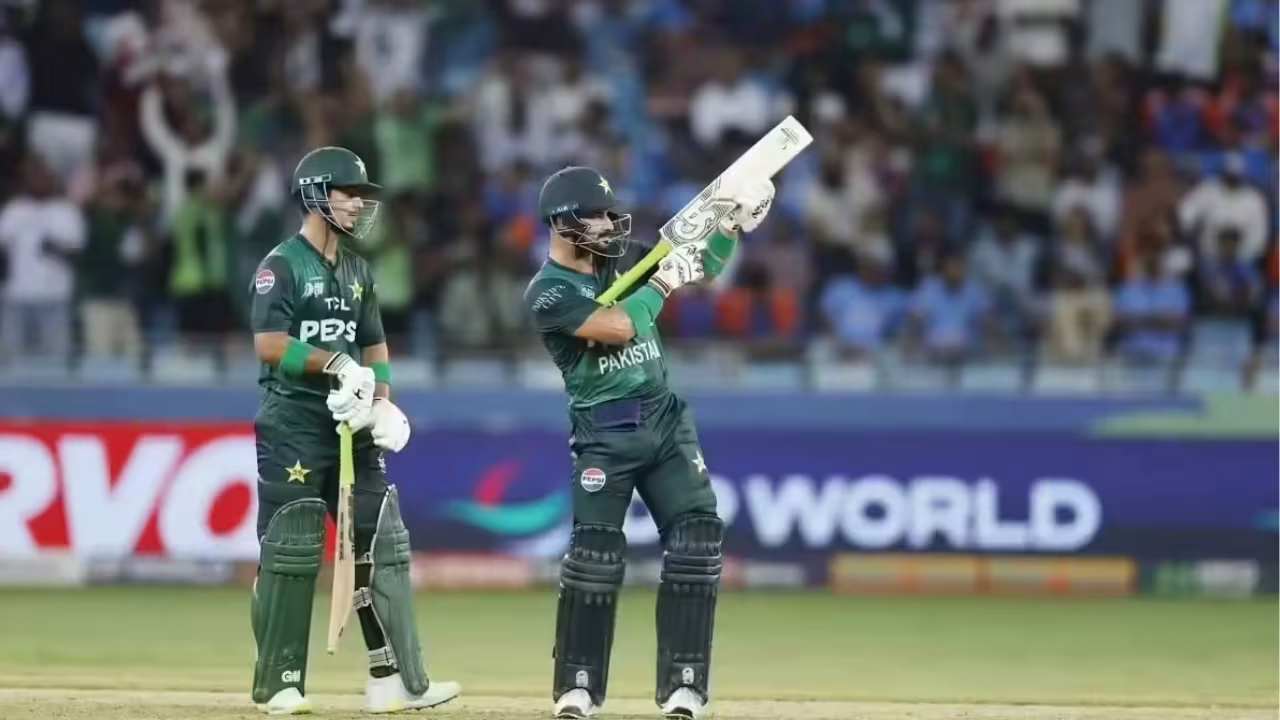
This episode has spilled far beyond the cricket field. Politicians, former cricketers, and media outlets have all weighed in, turning it into a national conversation on sportsmanship and diplomacy.
-
Calls for Sanctions: Some Indian politicians have demanded the ICC look into whether the gesture violated the spirit of the game or ICC’s code of conduct.
-
Social Media Reactions: While some praised Farhan’s “fearless attitude,” others criticized him for “glorifying violence” and disrespecting the opposition.
-
Impact on Future Matches: Controversies like this can increase tension ahead of future IND vs PAK fixtures, potentially affecting bilateral cricket ties — something already fragile due to political circumstances.
The incident also raises bigger questions: Where do we draw the line between personal expression and provocation? Should players be punished for gestures that can be interpreted differently by different audiences?
Passion vs. Responsibility
Cricket between India and Pakistan is about far more than runs and wickets — it’s an emotional rollercoaster for millions. Sahibzada Farhan’s AK-47 gesture has reignited debates on whether sports should remain free of politics or whether athletes have a duty to maintain diplomatic sensitivity.
In the age of viral clips and trending hashtags, even a brief gesture can turn into a global controversy. Farhan’s unapologetic stance shows he’s willing to face the storm, but it also highlights the delicate balance athletes must strike between authentic expression and social responsibility.
As fans, it’s worth asking: do we expect too much from our sports stars, or should we demand they remain ambassadors of peace, even in moments of high adrenaline?